November 17, 2026
Buying a home often brings a long list of projects, and the bathroom may be one of the first spaces that deserves attention. An outdated layout, worn finishes, limited storage, or signs of moisture damage can affect both comfort and everyday routines. With approximately 53,000 to 60,000 specialized kitchen and bathroom remodeling businesses operating across the United States, according to IBISWorld, homeowners have many professionals to consider. Choosing the right team and preparing for the work can make the process more manageable. A thoughtful plan also helps ensure the finished room suits the home and the people who use it.
Start With a Clear Plan for the Space
Identify Your Priorities and Daily Needs
Before choosing tile or browsing vanity styles, consider what currently works and what needs to change. A bathroom renovation should address practical concerns as well as appearance. Think about how many people use the room, whether the existing storage is sufficient, and whether the layout allows everyone to move comfortably. A family bathroom may need durable surfaces and accessible storage, while a primary bathroom may benefit from a larger shower or more counter space. A bathroom renovation can reveal whether the current arrangement reflects how the household lives, rather than the preferences of the previous owner.
Make a list of the problems you want the project to solve, then separate essential improvements from optional upgrades. For example, repairing a persistent leak or replacing damaged flooring should take priority over decorative wall accents. Establishing these priorities early gives the remodeling team a clearer understanding of your goals and helps guide decisions when costs or construction conditions require adjustments. It also makes it easier to evaluate proposals based on the work that matters most.
Set a Realistic Budget and Timeline
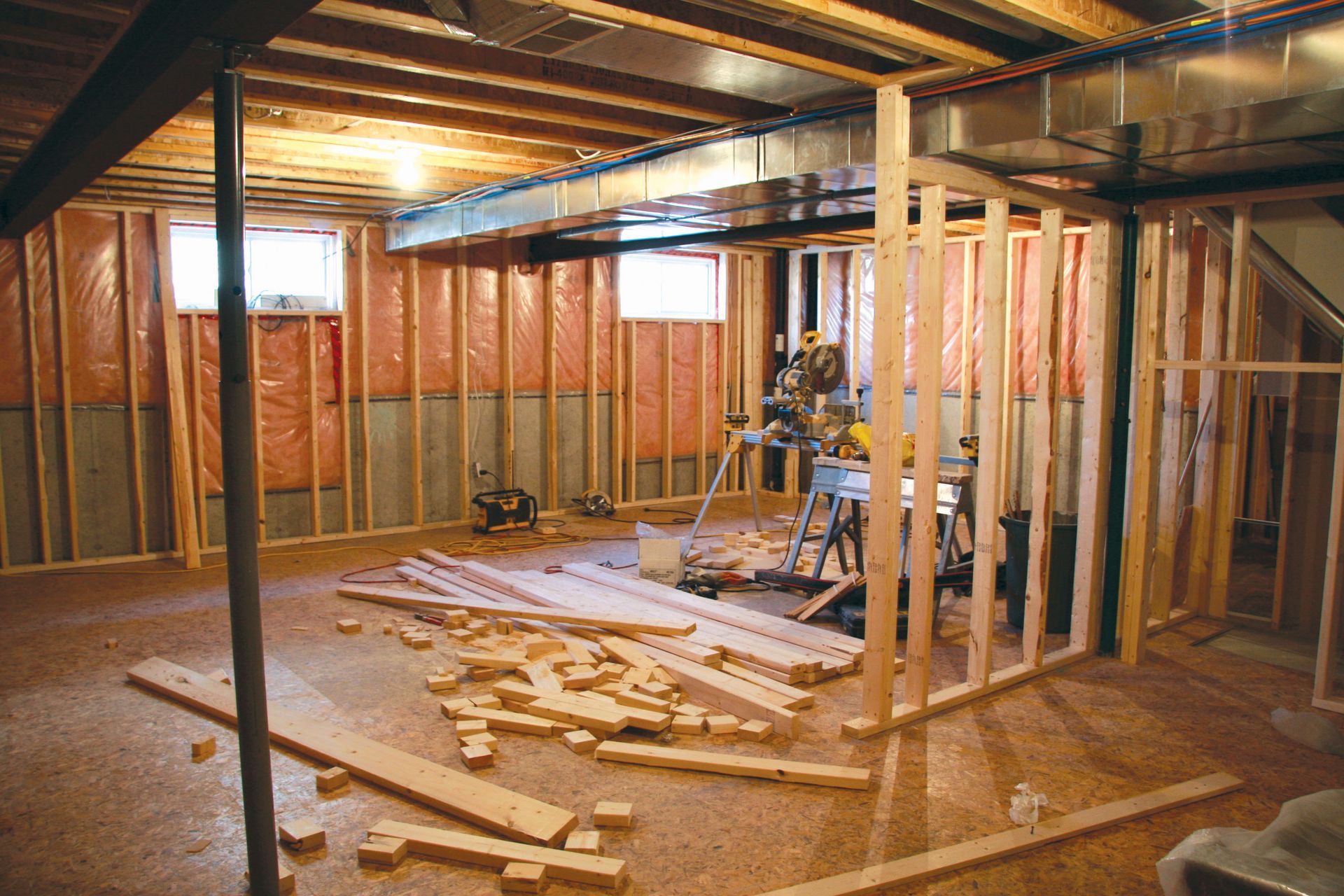
A detailed budget should account for more than visible materials and fixtures. Demolition, disposal, plumbing adjustments, electrical work, surface preparation, installation, and finishing can all contribute to the final cost. If the project involves opening walls or removing old flooring, the contractor may also uncover hidden damage that needs attention. Setting aside a contingency amount can help you respond to these discoveries without immediately putting the project on hold.
Discuss the expected schedule before work begins. The timeline will depend on the room's size, the scope of the changes, material availability, and whether plumbing or structural modifications are necessary. Custom countertops, specialty tile, and made-to-order cabinetry may require additional lead time. Ask which decisions must be finalized before demolition and when the bathroom is expected to be unavailable. Planning alternative arrangements in advance can reduce disruption, particularly when the home has only one full bathroom.
Choose Materials and Design Features Carefully
Balance Appearance With Durability
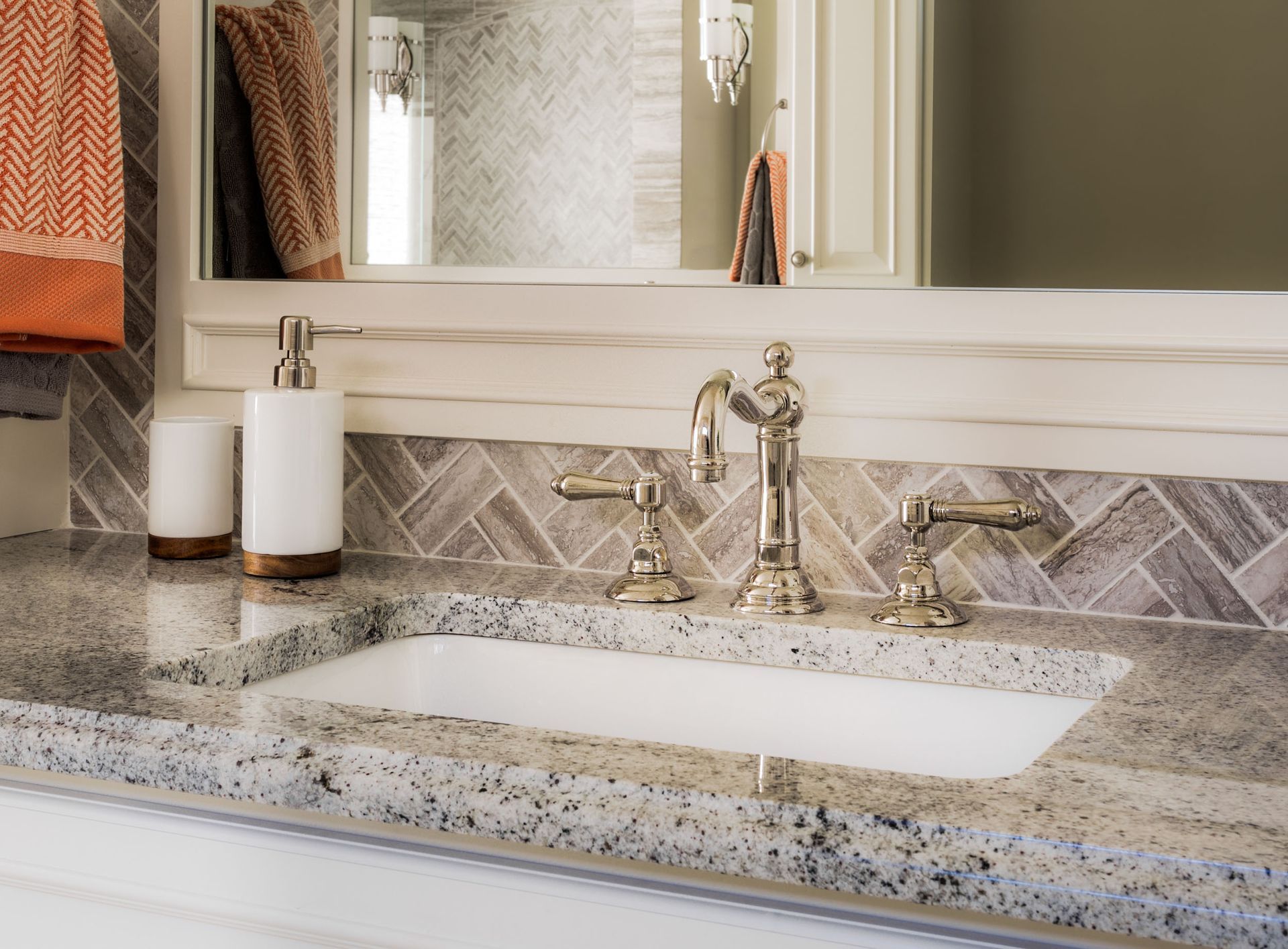
Bathrooms face frequent moisture, temperature changes, and daily cleaning, so material selection should reflect the conditions in the room. Porcelain and ceramic tile are common choices for floors and shower surrounds because they are available in many sizes, colors, and patterns. Natural stone, including granite and marble, can add distinctive texture and visual character, but the appropriate sealing and maintenance requirements should be understood before selecting it. Engineered quartz is another option for vanity surfaces, offering a consistent appearance and a range of designs.
When planning a bathroom renovation, consider how each finish will perform over time, not just how it looks in a showroom. Ask about water resistance, slip resistance, cleaning needs, and the care required to preserve the surface. Smaller grout lines may simplify cleaning in some applications, while larger-format tile can create a more continuous appearance. A qualified professional can explain the advantages and limitations of different materials and help coordinate flooring, countertops, wall surfaces, and fixtures. For a bathroom renovation, confirm that materials suit wet areas and that installation accounts for transitions, waterproofing, and long-term maintenance.
Make the Layout Work Harder
A successful design uses available space efficiently. If the room feels cramped, a different vanity size, a recessed storage niche, or a shower configuration that better fits the footprint may improve movement. Replacing an unused bathtub with a walk-in shower can be an option in some homes, although household needs and resale considerations should be weighed first. In a shared bathroom, separate storage areas and adequate counter space can make busy mornings easier.
Lighting, ventilation, and storage also deserve attention during the design stage. Layered lighting can support grooming tasks while creating a more comfortable atmosphere, and an effective exhaust fan helps manage moisture. Shelving, drawers, medicine cabinets, and built-in niches can keep frequently used items organized without crowding the room. A bathroom renovation should account for ventilation and waterproofing details, since careful preparation behind finished surfaces helps protect the room from avoidable moisture problems over time. A professional can assess the existing layout and identify changes that improve function while keeping the design cohesive with the rest of the home. During planning, a bathroom renovation offers an opportunity to coordinate finishes, creating a consistent palette instead of selecting each surface independently throughout the finished room too.
Understand the Professional Remodeling Process
Evaluate Contractors and Project Proposals
Selecting a contractor is one of the most important decisions a new homeowner will make. Look for a company with relevant remodeling experience, appropriate licensing, and insurance coverage. Ask to see examples of completed bathrooms and discuss projects that involved similar materials or layout changes. References from previous customers can offer insight into communication, workmanship, scheduling, and how the contractor handled unexpected issues.
Compare written proposals carefully rather than choosing based on the lowest price alone. The scope should explain which tasks are included, what materials are specified, how changes are approved, and whether labor and materials carry warranties. Clarify who will obtain required permits and coordinate any plumbing or electrical work. Before signing, make sure payment terms, project milestones, cleanup expectations, and procedures for addressing additional costs are documented. Clear expectations help both sides understand their responsibilities.
Prepare for Construction and Review the Finished Work
Before demolition begins, remove your belongings, clear access to the work area, and protect items in nearby rooms from dust. Confirm where workers can park, store materials, and access utilities. It is also useful to establish how updates will be shared and whom to contact if a question arises. During construction, keep communication open and raise concerns promptly rather than waiting until the final walkthrough. A professional bathroom renovation should conclude with a clear handover, including product details, maintenance guidance, warranties, and instructions for reporting workmanship concerns.
As the work progresses, the contractor may need to verify measurements, review material selections, or discuss conditions uncovered behind walls or beneath flooring. Ask for an explanation of any proposed change, including its effect on cost and timing, before authorizing it. At completion, inspect tile alignment, grout, caulking, countertop seams, fixtures, doors, and storage components. Run faucets and showers, check drainage, and confirm that ventilation operates properly. Request care instructions, warranty information, and documentation for installed products before considering the project complete.
A bathroom project is a significant undertaking, but careful preparation makes each decision easier to manage. By defining priorities, choosing materials for their performance, and working with qualified professionals, new homeowners can create a room that supports daily routines and complements the rest of the property. A well-planned bathroom renovation can also address maintenance concerns and improve the home's overall appeal. Take time to ask questions, review the details, and make informed choices throughout the process.
Contact Fillmore Granite and Tile today to discuss your renovation goals and schedule a personalized consultation!